
Flowers have always been closely connected with creativity, celebrations, interior decoration, weddings, and special occasions. Creating a beautiful arrangement, however, can require considerable planning. Florists need to think about flower varieties, colors, proportions, placement, seasonal availability, containers, and the overall atmosphere they want to create.
Flower Architect takes a different approach by bringing many of these creative decisions into a digital environment. Rather than functioning simply as a traditional flower shop, Flower Architect is designed as a virtual floral arrangement platform where users can create, modify, save, visualize, and share digital flower arrangements.
The platform is aimed at a wide range of users, including professional florists, wedding planners, brides, event designers, and people who simply enjoy flowers and creative design. Its software provides a large library of three-dimensional flowers and additional decorative elements, allowing users to experiment with arrangements before bringing their ideas into the physical world.
A Digital Workspace for Floral Creativity
The central idea behind Flower Architect is the ability to build floral arrangements virtually.
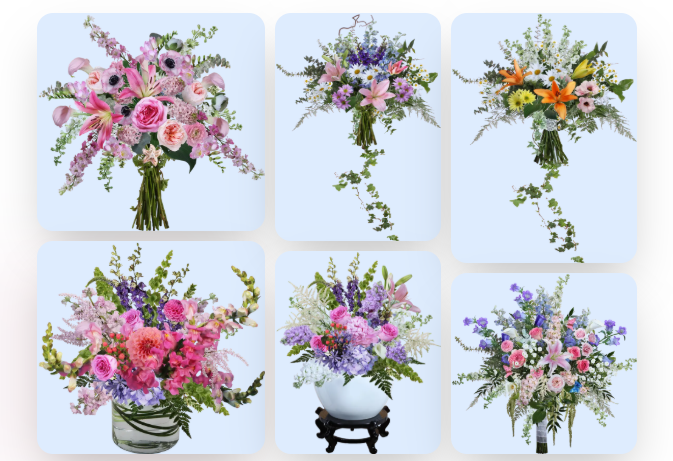
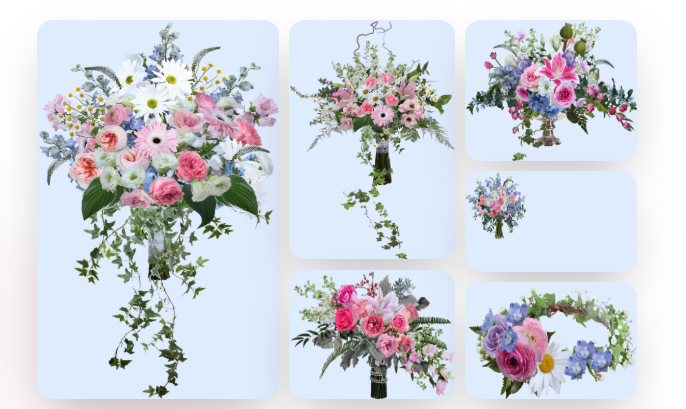
Instead of immediately purchasing flowers and physically arranging them, users can first experiment on screen. Flowers can be selected from a large digital library and placed into a virtual arrangement, where their position, orientation, and depth can be adjusted.
This creates an environment where mistakes are part of the creative process rather than an expensive problem. A user can try a particular flower combination, change the proportions, move flowers around, add greenery, and test different decorative elements before settling on a final concept.
That makes Flower Architect particularly interesting for people who want to plan their floral designs in advance.
A Large Collection of Virtual Flowers
One of the most notable aspects of Flower Architect is the size of its digital flower library.
The platform currently describes a collection of more than 1,700 three-dimensional flowers organized across more than 190 categories. This gives users a substantial range of possibilities when creating arrangements.
The large library means that floral design does not have to begin with a limited selection of generic digital shapes. Users can work with numerous flower varieties and build arrangements that are more closely aligned with the visual style they have in mind.
For professional users, this can make the software useful as a visualization tool. For beginners, it can make experimenting with different types of flowers more accessible.
Creating Arrangements Step by Step
The process within Flower Architect is structured around selecting flowers and then placing them into an arrangement.
Users can first create a basket or selection of flowers. From there, individual flowers can be moved into the arrangement and adjusted according to the desired design.
Flowers can be rotated and repositioned, while their depth can also be changed so that some blooms appear in front of or behind others.
This provides considerably more control than simply selecting a pre-made digital bouquet.
Shape Guides for Better Arrangements
Creating a balanced floral arrangement involves more than choosing attractive flowers.
The overall shape can influence how the finished arrangement looks. A compact centerpiece requires different proportions from a large event display or an elongated garland.
Flower Architect provides shape aids and layout tools that can help users establish a framework for their designs. The workspace can be adjusted for projects ranging from smaller arrangements such as corsages to larger event displays.
This makes the platform useful not only for creativity but also for learning how different floral structures are assembled.
Adding Stems, Leaves and Decorative Elements
Flowers are rarely used completely on their own.
Greenery, stems, branches, ribbons, containers, and other decorative details can dramatically change the character of an arrangement.
Flower Architect provides more than 3,000 additional elements, including vases, pots, ribbons, bows, fruits and vegetables, floral embellishments, potted plants, and branches.
This gives users the ability to build much more complete scenes rather than focusing solely on individual flowers.
Designing Wedding Flowers Virtually
Weddings are one of the areas where Flower Architect can be particularly useful.
Wedding flowers often involve numerous individual arrangements, including bouquets, boutonnieres, centerpieces, ceremony decorations, garlands, and other floral installations.
Planning all of these elements can become complicated, especially when the couple wants the flowers to coordinate with the venue, clothing, table settings, and overall wedding theme.
The platform allows users to visualize floral concepts digitally before the event, making it possible to experiment with different combinations before committing to physical flowers.
Visualizing an Entire Event
One of the more distinctive features of Flower Architect is its virtual scene functionality.
Users can upload a background image and then place their floral arrangements within the scene. Other images and decorative elements can also be incorporated into the environment.
This means the software can move beyond designing a single bouquet.
A wedding planner, for example, could visualize how arrangements might look inside a particular venue. A florist could create a presentation showing a client how different arrangements might fit into an event space.
A Virtual Planning Environment
The virtual scene concept makes Flower Architect more than an arrangement builder.
It becomes a planning environment where different elements can be brought together.
Instead of showing a client a photograph of an unrelated arrangement, a designer can potentially create a customized visual concept based on the specific event or room.
This can make communication between designers and clients more visual and easier to understand.
Useful for Florists
Professional florists are one of the key audiences for Flower Architect.
A florist can use the platform to experiment with designs, prepare concepts for customers, create visuals, and organize previous arrangements.
For customers who have difficulty describing exactly what they want, a digital arrangement can provide a much clearer starting point for a conversation.
Instead of relying entirely on verbal descriptions such as “something romantic with soft colors and a loose shape,” a customer and florist can discuss an actual visual design.
Useful for Wedding Planners
Wedding planners also have to coordinate many visual details.
Flowers are often one part of a much larger design concept that includes the venue, tables, decorations, lighting, colors, and other elements.
Flower Architect gives planners a way to incorporate floral concepts into a broader visual plan.
The ability to create scenes can be particularly useful when the goal is to communicate the atmosphere of an event before the physical setup takes place.
Useful for Brides and Couples
People planning their own weddings can also use Flower Architect as a creative planning tool.
Choosing wedding flowers can be difficult when there are hundreds of possible combinations. A bride or couple may know which colors they like without knowing which flowers or arrangement structures will produce the desired appearance.
Virtual experimentation gives them an opportunity to try different possibilities before speaking with a florist.
The finished design can also serve as a visual reference when requesting a quote or discussing the project.
Creating a Quote Request for a Florist
Another practical feature of Flower Architect is its ability to support the transition from digital design to a real floral project.
Users can request a quote from a florist based on a virtual arrangement. The platform describes a quotation package that can include an image of the arrangement, flower information, delivery details, and notes.
This creates a bridge between visualization and actual event planning.
Searching Flowers by Color
Color is one of the most important elements of floral design.
A particular flower may have the right shape but the wrong color for a wedding theme or interior. Finding flowers that coordinate with a specific palette can therefore take time.
Flower Architect includes a color wheel that allows users to search for flowers according to color relationships.
This can be particularly useful for people who begin their design process with a specific color scheme.
Flower Information and Organization
The platform also includes flower data and organizational features.
Users can work with a large collection of flowers while maintaining control over their selections and arrangements.
The ability to organize projects into folders is another practical feature, particularly for users who may be working on multiple events or designs at the same time.
For professionals, organization becomes increasingly important as the number of projects grows.
Creating Garlands
Garlands are another type of floral design supported by Flower Architect.
Garlands can be used for wedding ceremonies, reception spaces, tables, arches, and other decorative installations.
Designing these digitally allows users to experiment with flower combinations and overall shape before attempting to create the physical version.
Making Personalized Designs
Floral arrangements can also be used as creative artwork.
Flower Architect allows users to add text to their creations and use finished designs for cards, calendars, artwork, and other projects.
This expands the platform beyond professional event planning and gives hobbyists additional ways to use their arrangements.
From Hobbyists to Professionals
A notable quality of Flower Architect is that its intended audience is not limited to professional florists.
The platform is designed for beginners as well as experienced floral designers, with tutorials that explain the process step by step.
Someone with no professional floral-design background can therefore use the software as a creative learning environment, while experienced users can use the same tools for more complex projects.
Learning Through Digital Experimentation
Learning floral design traditionally involves working with real flowers.
That can become expensive because flowers are perishable and mistakes can result in damaged or unusable materials.
Digital experimentation changes that equation.
With Flower Architect, users can repeatedly move flowers, change colors, alter proportions, and test different arrangements without consuming physical materials.
This makes experimentation much more accessible.
AI-Assisted Floral Planning
Another part of the platform is its AI functionality.
Flower Architect provides AI-assisted answers for event-related questions and can help with ideas involving themes and wedding locations. Its membership plans also include AI questions and the ability to turn results into sets of images.
The addition of AI gives the platform another layer beyond manual arrangement building.
It means users can combine their own creative decisions with computer-assisted suggestions.
Working Across Different Devices
Accessibility is another important feature.
Flower Architect is available through a web version as well as applications for iPhone, Android, Windows, and Mac.
This allows users to work from different types of devices depending on where they are and what they are planning.
A florist could use a computer in the studio, while a couple planning a wedding could use a phone or tablet when discussing ideas.
A More Flexible Design Process
Being able to work digitally also makes the design process more flexible.
A physical arrangement has to exist somewhere. A digital arrangement can be saved, modified, duplicated, and revisited.
Flower Architect provides storage and organizational functions that allow users to maintain collections of arrangements and other design assets.
This is particularly useful when a design needs to be revisited weeks or months later.
Flower Arrangement Contests
The platform also includes a community and creative competition element.
Flower Architect provides opportunities to participate in flower arrangement contests, giving users a way to showcase their digital designs and engage with other floral enthusiasts.
For hobbyists, this can turn the software from a simple design utility into a creative activity.
Flower Puzzles
The brand also goes beyond floral design software with its Flower Puzzles experience.
The puzzle concept uses photographs of more than 1,500 real flowers and offers multiple difficulty levels. It is designed as a relaxing activity that can be played without an internet connection.
This gives Flower Architect another connection to flowers outside of professional design.
A Different Type of Floral Brand
What makes Flower Architect different from many traditional floral businesses is that the main product is not a bouquet delivered to a customer’s door.
Instead, the focus is on the creative process itself.
The platform gives people digital tools for imagining and constructing arrangements before they are physically produced.
This distinction makes it especially relevant to people who want to participate in the design process rather than simply choose from a catalog of finished bouquets.
Planning Before Spending on Flowers
Physical flowers can be expensive, particularly for weddings and large events.
Design changes made after flowers have been purchased can result in wasted materials, additional purchases, or compromises.
By allowing designs to be tested digitally, Flower Architect provides an opportunity to make more design decisions before purchasing or arranging physical flowers.
For large events, this planning stage can be particularly valuable.
Useful for Visual Communication
One of the biggest advantages of digital floral design is communication.
A customer may have a general idea of what they want but struggle to explain it.
A visual arrangement can communicate shape, color, scale, flower selection, and overall mood much more clearly.
Flower Architect gives florists and planners a way to create those visual references and use them when communicating with clients.
Different Membership Levels
The platform offers several membership levels designed around different levels of use.
Its current plans include Starter, Creator, and Designer Pro memberships, with different amounts of storage, action tokens, design capabilities, scene creation, and other features.
This tiered structure allows users to choose a plan according to how extensively they expect to use the software.
A Tool for Professional Presentation
For professional florists and event designers, presentation can be just as important as the design itself.
Clients often want to see what they are paying for before an event takes place.
Flower Architect provides tools for creating visual representations that can help professionals present their ideas more effectively.
This can make a proposed floral concept easier for a client to understand and approve.
More Than a Bouquet Builder
The breadth of features shows that Flower Architect is designed around much more than creating a simple bouquet.
Users can work on corsages, centerpieces, wedding arrangements, garlands, event scenes, decorative displays, and other floral concepts.
The addition of backgrounds, props, greenery, containers, ribbons, text, and other elements allows designs to become complete visual compositions.
A Place to Experiment With Style
Floral design involves a significant amount of experimentation.
A combination that looks attractive in isolation may not work when placed alongside other flowers. A particular color may appear different depending on the surrounding palette. A large bloom may overpower a smaller arrangement.
Digital design allows these questions to be tested quickly.
Flower Architect therefore provides a creative environment where users can try different ideas without having to commit to the first version they create.
What Sets Flower Architect Apart
The strongest differentiator of Flower Architect is the combination of a very large virtual flower library, three-dimensional arrangement tools, event visualization, floral education, AI-assisted features, and professional planning capabilities.
Many floral websites focus on selling finished arrangements. Flower Architect focuses instead on giving users tools to create their own concepts.
The platform consequently sits somewhere between floral design software, an educational resource, an event-planning tool, and a creative hobby platform.
Final Thoughts
Flower Architect offers a distinctive way to approach floral design by moving much of the creative planning process into a digital environment.
Its extensive library of more than 1,700 three-dimensional flowers, more than 190 categories, thousands of decorative extras, color-based searching, arrangement tools, shape guides, virtual scenes, garland creation, AI assistance, tutorials, and organizational features give users considerable freedom when developing their ideas.
For florists, the platform can provide a way to develop and present concepts. For wedding planners and couples, it can help visualize floral arrangements before an event. For beginners and flower enthusiasts, it provides a creative environment in which they can learn and experiment.
What ultimately makes Flower Architect different is its focus on creating flowers virtually rather than simply buying flowers traditionally. It gives users the ability to test ideas, modify designs, build complete scenes, communicate concepts, and turn digital arrangements into practical plans.
For anyone interested in floral creativity, event planning, wedding design, or simply experimenting with flowers in a different way, Flower Architect provides a comprehensive digital environment where floral ideas can be developed before they become physical arrangements.